


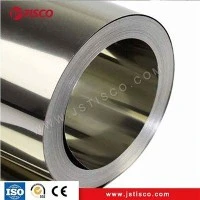


As a supplier of 321 stainless steel coil, I am often asked about the thickness range of this versatile material. In this blog post, I will delve into the details of the thickness range of 321 stainless steel coil, its applications, and why it matters in various industries.
Understanding 321 Stainless Steel Coil
321 stainless steel is a titanium - stabilized austenitic stainless steel. The addition of titanium helps to prevent intergranular corrosion, especially when the material is exposed to elevated temperatures. This makes 321 stainless steel coil an ideal choice for applications in high - temperature environments, such as aircraft exhaust systems, furnace parts, and chemical processing equipment.
Thickness Range of 321 Stainless Steel Coil
The thickness range of 321 stainless steel coil can vary significantly depending on the manufacturing process and the specific requirements of the end - user. Generally, the thickness of 321 stainless steel coil can range from as thin as 0.1 mm to as thick as 6.0 mm.


Thin - Gauge 321 Stainless Steel Coil
Thin - gauge 321 stainless steel coils, with thicknesses ranging from 0.1 mm to 1.0 mm, are commonly used in applications where flexibility and formability are crucial. These thin coils are often used in the production of precision components, such as electronic parts, springs, and gaskets. The thinness allows for easy bending, stamping, and shaping without sacrificing the corrosion - resistant properties of the stainless steel.
For example, in the electronics industry, thin 321 stainless steel strips are used to manufacture connectors and shielding components. The corrosion resistance of 321 stainless steel ensures the long - term reliability of these components, even in harsh environments. You can find more information about 321 Stainless Steel Strip on our website.
Medium - Gauge 321 Stainless Steel Coil
Medium - gauge 321 stainless steel coils, with thicknesses between 1.0 mm and 3.0 mm, are widely used in a variety of industrial applications. These coils offer a good balance between strength and formability. They are commonly used in the construction of pressure vessels, storage tanks, and heat exchangers.
In the chemical processing industry, medium - gauge 321 stainless steel coils are used to fabricate pipes and fittings. The material's resistance to corrosion and high - temperature stability make it suitable for handling corrosive chemicals and high - temperature fluids. Stainless Steel Strip 321 in this thickness range is also used in the automotive industry for exhaust systems and structural components.
Thick - Gauge 321 Stainless Steel Coil
Thick - gauge 321 stainless steel coils, with thicknesses from 3.0 mm to 6.0 mm, are typically used in heavy - duty applications that require high strength and durability. These coils are often used in the construction of bridges, industrial machinery, and large - scale storage facilities.
In the oil and gas industry, thick - gauge 321 stainless steel coils are used to manufacture offshore platforms and pipelines. The material's ability to withstand high pressures and harsh environmental conditions makes it an excellent choice for these critical applications. You can learn more about Stainless Steel Coil 321 in this thickness range on our website.
Factors Affecting the Thickness Selection
When selecting the appropriate thickness of 321 stainless steel coil for a specific application, several factors need to be considered:
Mechanical Requirements
The mechanical properties required for the application, such as strength, ductility, and hardness, play a crucial role in determining the thickness. For applications that require high strength, a thicker coil may be necessary. On the other hand, if flexibility is more important, a thinner coil would be a better choice.
Corrosion Resistance
The level of corrosion resistance required also affects the thickness selection. In highly corrosive environments, a thicker coil may be needed to ensure long - term durability. The addition of titanium in 321 stainless steel provides excellent resistance to intergranular corrosion, but the thickness can further enhance the overall corrosion protection.
Cost
Cost is always a factor in any material selection. Thicker coils generally cost more than thinner coils due to the higher amount of material used. Therefore, it is important to balance the performance requirements with the cost to ensure a cost - effective solution.
Why Choose Our 321 Stainless Steel Coil
As a leading supplier of 321 stainless steel coil, we offer a wide range of thicknesses to meet the diverse needs of our customers. Our coils are manufactured using state - of - the - art technology and strict quality control measures to ensure the highest level of quality and performance.
We have a team of experienced professionals who can provide technical support and guidance to help you select the right thickness of 321 stainless steel coil for your specific application. Whether you need a thin - gauge coil for precision components or a thick - gauge coil for heavy - duty applications, we have the solution for you.
Contact Us for Your 321 Stainless Steel Coil Needs
If you are interested in purchasing 321 stainless steel coil, we invite you to contact us for a quote. Our sales team is ready to assist you with your inquiries and provide you with the best possible solution for your project. We look forward to working with you and helping you achieve your goals.
References
- ASM Handbook, Volume 13A: Corrosion: Fundamentals, Testing, and Protection.
- Stainless Steel World Magazine, various issues on stainless steel applications and properties.
- Manufacturer's technical data sheets on 321 stainless steel.