


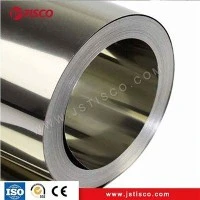
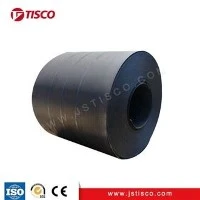


Hey there! As a carbon steel coil supplier, I often get asked about the magnetic properties of carbon steel coils. It's a pretty interesting topic, so I thought I'd share some insights with you.
First off, let's talk about what carbon steel is. Carbon steel is an alloy of iron and carbon, with small amounts of other elements like manganese, silicon, and sulfur. The carbon content in carbon steel can vary, and this affects its properties, including its magnetic behavior.
Carbon steel coils are ferromagnetic, which means they can be magnetized and are attracted to magnets. This is because of the iron content in the steel. Iron is one of the few elements that exhibit strong ferromagnetic properties at room temperature. When an external magnetic field is applied to a carbon steel coil, the magnetic domains within the steel align, creating a net magnetic field.
The magnetic properties of carbon steel coils can be influenced by several factors. One of the main factors is the carbon content. Generally, as the carbon content increases, the magnetic properties of the steel can change. Higher carbon steels may have slightly different magnetic characteristics compared to lower carbon steels. For example, high - carbon steels might have a higher coercivity, which means it's harder to change the magnetization state of the steel.
Another factor is the heat treatment of the carbon steel coil. Heat treatment processes like annealing, quenching, and tempering can alter the microstructure of the steel, which in turn affects its magnetic properties. Annealing, for instance, can relieve internal stresses in the steel and make the magnetic domains more easily alignable, enhancing the magnetic response.
Now, let's take a look at some specific types of carbon steel coils we offer. We have the Q215 Carbon Steel Coil. This type of steel coil has a relatively low carbon content, which gives it good ductility and weldability. Its magnetic properties are quite typical of low - carbon steels, with a relatively high magnetic permeability, meaning it can easily be magnetized.


Then there's the Q235C Carbon Steel Strip. The Q235C grade has a slightly higher carbon content than Q215, and it also has better strength and toughness. In terms of magnetism, it still shows strong ferromagnetic behavior, but the magnetic characteristics might be a bit different due to the increased carbon and other alloying elements.
Our Q235A Carbon Steel Coil is another popular option. It's widely used in various applications because of its good balance of strength and formability. The magnetic properties of Q235A are similar to other carbon steels in the Q235 series, but again, small differences can exist based on factors like the manufacturing process and the exact composition.
The magnetic properties of carbon steel coils have many practical applications. In the electrical industry, carbon steel is used in transformers and electric motors. The ferromagnetic nature of the steel allows it to efficiently conduct and concentrate magnetic fields, which is crucial for the operation of these devices. In the construction industry, carbon steel coils are used in structural components. The magnetic properties can be useful for quality control during manufacturing and installation, as magnetic inspection techniques can be used to detect defects in the steel.
If you're in the market for carbon steel coils, it's important to understand the magnetic properties and how they might affect your specific application. Whether you need a coil with high magnetic permeability for an electrical application or a coil with good mechanical properties for construction, we've got you covered.
We're always here to help you choose the right carbon steel coil for your needs. If you have any questions about the magnetic properties or any other aspects of our products, don't hesitate to reach out. We can provide detailed information and samples so you can make an informed decision.
In conclusion, the magnetic properties of carbon steel coils are an important aspect of their performance. They are determined by factors such as carbon content, heat treatment, and alloying elements. Our wide range of carbon steel coils, including the Q215, Q235C, and Q235A, offer different magnetic characteristics to suit various applications. So, if you're interested in purchasing carbon steel coils, let's have a chat and see how we can meet your requirements.
References
- ASM Handbook Volume 1: Properties and Selection: Irons, Steels, and High - Performance Alloys
- Steelmaking and Refining Principles by John F. Elliott