


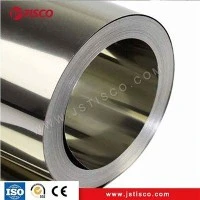
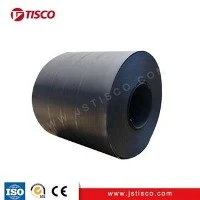


Hey there! As a supplier of 430 Stainless Steel Coil, I'm super excited to share with you all about the powder coating process for 430 stainless steel coil. It's a topic that combines both science and practical application, and it can really enhance the performance and appearance of our stainless - steel products.
What is Powder Coating?
First off, let's talk about what powder coating is. Powder coating is a type of coating that's applied as a free - flowing, dry powder. Unlike traditional liquid paint, it doesn't need a solvent to keep the binder and filler parts in a liquid suspension form. Instead, the powder is electrostatically charged and sprayed onto the surface of the 430 stainless steel coil. The charged powder particles adhere to the grounded surface, and then the coated coil is heated. During the heating process, the powder melts and forms a smooth, hard finish.
Why Powder Coating for 430 Stainless Steel Coil?
There are several reasons why powder coating is a great choice for 430 stainless steel coil.
1. Durability: 430 stainless steel is already known for its good corrosion resistance. When you add a powder coating on top, it provides an extra layer of protection. The powder coating can resist scratches, chips, and fading, which means the coil will look good and perform well for a long time.
2. Aesthetics: Powder coating comes in a wide range of colors and finishes. Whether you want a glossy, matte, or textured look, there's a powder coating option for you. This allows our customers to customize the appearance of the 430 stainless steel coil to fit their specific needs.
3. Environmental - friendliness: Powder coating is a more environmentally friendly option compared to traditional liquid paints. It doesn't contain solvents, so there are no volatile organic compounds (VOCs) being released into the atmosphere. This makes it a great choice for those who are conscious about the environment.
The Powder Coating Process for 430 Stainless Steel Coil
1. Surface Preparation
Before applying the powder coating, the 430 stainless steel coil needs to be properly prepared. This step is crucial because it ensures good adhesion of the powder to the surface.
-
Cleaning: The first thing we do is clean the coil to remove any dirt, grease, or other contaminants. We use a combination of chemical cleaners and mechanical methods. For example, we might use a degreaser to remove oil and grease, and then rinse the coil with water.
-
Surface Treatment: After cleaning, we often perform a surface treatment. This can involve processes like phosphating or chromating. These treatments create a layer on the surface of the stainless steel that helps the powder coating adhere better.
2. Powder Application
Once the surface is prepared, it's time to apply the powder coating.
-
Electrostatic Spraying: We use an electrostatic spray gun to apply the powder. The gun charges the powder particles, and the 430 stainless steel coil is grounded. The charged powder particles are attracted to the grounded coil, creating an even and uniform coating. This method ensures that the powder adheres well to the surface, even in hard - to - reach areas.
-
Thickness Control: It's important to control the thickness of the powder coating. The ideal thickness can vary depending on the application, but generally, we aim for a thickness of around 2 - 5 mils (0.002 - 0.005 inches). Too thin of a coating may not provide enough protection, while too thick of a coating can lead to cracking or other issues.
3. Curing
After the powder is applied, the coated 430 stainless steel coil is sent to an oven for curing.


-
Heating Process: The oven heats the coil to a specific temperature, usually between 350°F and 400°F (177°C - 204°C). The heat causes the powder to melt and flow, forming a continuous film on the surface of the coil. The curing time can vary depending on the type of powder and the thickness of the coating, but it typically ranges from 10 to 30 minutes.
-
Cooling: Once the curing process is complete, the coil is removed from the oven and allowed to cool. During the cooling process, the coating hardens and becomes more durable.
Quality Control
Throughout the powder coating process, we have strict quality control measures in place.
-
Visual Inspection: We visually inspect the coated 430 stainless steel coil to check for any defects, such as uneven coating, bubbles, or scratches. If any issues are found, the coil is either re - coated or repaired.
-
Adhesion Testing: We also perform adhesion tests to ensure that the powder coating is properly bonded to the surface of the stainless steel. This can involve using a cross - hatch test or a pull - off test.
Applications of Powder - Coated 430 Stainless Steel Coil
Powder - coated 430 stainless steel coil has a wide range of applications.
-
Architectural Applications: It's commonly used in building facades, handrails, and decorative elements. The powder coating not only provides protection against the elements but also enhances the aesthetic appeal of the building.
-
Automotive Industry: In the automotive industry, powder - coated 430 stainless steel coil can be used for various parts, such as trim, grilles, and exhaust systems. The durability of the powder coating makes it suitable for the harsh conditions in a vehicle.
-
Home Appliances: Many home appliances, like refrigerators, ovens, and dishwashers, use powder - coated 430 stainless steel coil. The coating gives the appliances a sleek and modern look while protecting them from scratches and stains.
Our Products
As a 430 Stainless Steel Coil supplier, we offer a variety of products, including 430 Hot Rolled Stainless Steel Coil, 430 Stainless Steel Strip, and Stainless Steel Strip 430. All of our products can be powder - coated according to your specific requirements.
If you're interested in our powder - coated 430 stainless steel coil products, feel free to reach out to us for a quote or to discuss your project. We're here to provide you with high - quality products and excellent service.
References
- "Powder Coating Technology" by P. J. Hamer
- "Stainless Steel Handbook" by ASM International