




Hey there! As a supplier of 316 stainless steel coil, I've dealt with this material day in and day out. And let me tell you, handling 316 stainless steel coil comes with its own set of safety precautions that you gotta know.
First off, let's talk about personal protective equipment (PPE). When you're handling 316 stainless steel coil, you need to gear up properly. Safety glasses are a must. The edges of the coil can be sharp, and there's always a risk of small metal shavings flying around during cutting or handling. A good pair of safety glasses will protect your eyes from any potential harm.
Gloves are also crucial. You don't want to get your hands cut by the sharp edges of the coil. Go for gloves that are cut - resistant. Leather or Kevlar - lined gloves work great. They'll not only protect your hands from cuts but also from any chemicals or oils that might be on the surface of the coil.
If you're working in an environment where there's a lot of noise, like in a factory when the coil is being processed, ear protection is essential. Prolonged exposure to high - level noise can cause hearing damage. So, earplugs or earmuffs are a must - have.
Now, let's move on to the handling process itself. When you're moving the 316 stainless steel coil, make sure you use the right equipment. Forklifts or cranes are commonly used for this purpose. But before you start lifting, you need to check the equipment thoroughly. Make sure the forks of the forklift are in good condition and the crane's cables are not frayed.
When using a forklift, ensure that the load is balanced. An unbalanced load can tip over the forklift, which is extremely dangerous. If you're using a crane, make sure the lifting straps are properly attached to the coil. You don't want the coil to fall during the lifting process.
Another important thing is storage. You should store the 316 stainless steel coil in a dry and well - ventilated area. Moisture can cause rusting, which will not only damage the coil but also make it weaker. If the coil is stored outdoors, make sure it's covered with a waterproof tarp.
During the cutting or welding process, there are additional safety measures. When cutting the 316 stainless steel coil, use the right cutting tools. A plasma cutter or a laser cutter can be used, but you need to follow the manufacturer's instructions carefully.
Welding 316 stainless steel requires proper ventilation. Welding produces fumes that can be harmful if inhaled. So, make sure you're working in a well - ventilated area or use a fume extraction system. Also, wear a welding helmet with a proper shade to protect your eyes from the intense light produced during welding.
Let's also touch on the chemical aspect. 316 stainless steel is resistant to many chemicals, but there are still some substances that can react with it. If you're using any chemicals to clean or treat the coil, make sure you know what you're doing. Read the labels carefully and follow the safety instructions.
When it comes to transportation, secure the 316 stainless steel coil properly. Use straps or chains to prevent it from moving around during transit. This will not only protect the coil but also prevent any accidents on the road.
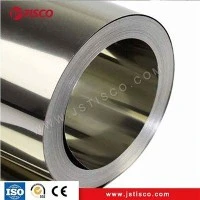
Now, I want to mention some of the products we offer. We have high - quality 316 Stainless Steel Strip that is perfect for various applications. Our Stainless Steel Coil 316 is known for its durability and corrosion resistance. And if you're looking for a thinner option, our Stainless Steel Strip 316 is a great choice.


If you're in the market for 316 stainless steel coil or any of our related products, don't hesitate to reach out. We're here to provide you with the best quality products and answer any questions you might have about handling and using 316 stainless steel coil. Whether you're a small business or a large industrial company, we can meet your needs.
In conclusion, handling 316 stainless steel coil safely is all about being prepared and following the right procedures. By using the proper PPE, handling equipment, and storage methods, you can ensure a safe working environment. And if you have any more questions about safety precautions or our products, feel free to contact us.
References:
- General safety guidelines for metal handling in industrial settings.
- Manufacturer's instructions for 316 stainless steel coil processing equipment.