


Hot rolled steel sheet is a widely used product in various industries due to its excellent mechanical properties and relatively low cost. As a supplier of hot rolled steel sheet, I am often asked about the raw materials used in its production. In this blog post, I will delve into the key raw materials that go into making hot rolled steel sheet and their significance in the manufacturing process.
Iron Ore
The primary raw material for making hot rolled steel sheet is iron ore. Iron ore is a rock that contains iron oxides, which are extracted through mining operations. The most common types of iron ore used in steelmaking are hematite (Fe₂O₃) and magnetite (Fe₃O₄). These ores are rich in iron and are typically found in large deposits around the world.
Once the iron ore is mined, it is processed to remove impurities and increase its iron content. This process involves crushing, grinding, and separating the iron ore from other minerals. The resulting iron ore concentrate is then ready for further processing in the steelmaking process.
Coal
Coal plays a crucial role in the production of hot rolled steel sheet. It is used as a fuel and a reducing agent in the blast furnace, where iron ore is converted into pig iron. The coal is first converted into coke, a porous and carbon-rich material, through a process called coking. Coke provides the heat and energy required to melt the iron ore and reduce it to iron.
In addition to its role as a fuel, coal also helps to remove impurities from the iron ore during the smelting process. The carbon in the coke reacts with the oxygen in the iron ore, forming carbon monoxide, which reduces the iron oxide to iron. This process is known as reduction, and it is a critical step in the production of high-quality steel.
Limestone
Limestone is another important raw material used in the production of hot rolled steel sheet. It is added to the blast furnace to act as a flux, which helps to remove impurities from the iron ore and improve the quality of the pig iron. Limestone reacts with the impurities in the iron ore, such as silica and alumina, to form a slag, which floats on top of the molten iron and can be easily removed.
The addition of limestone also helps to control the temperature and chemical composition of the molten iron in the blast furnace. It helps to maintain the proper balance of elements in the steel, such as carbon, silicon, and manganese, which are essential for achieving the desired mechanical properties of the hot rolled steel sheet.
Scrap Steel
Scrap steel is a valuable raw material that is often used in the production of hot rolled steel sheet. It is recycled from various sources, such as old cars, buildings, and industrial equipment. Scrap steel can be melted down and reused in the steelmaking process, reducing the need for virgin raw materials and conserving natural resources.
Using scrap steel in the production of hot rolled steel sheet also has environmental benefits. It reduces the energy consumption and greenhouse gas emissions associated with the production of new steel. Additionally, it helps to reduce the amount of waste sent to landfills, making the steel industry more sustainable.
Alloying Elements
In addition to the primary raw materials mentioned above, various alloying elements are often added to the steel to enhance its properties. These alloying elements can include manganese, silicon, chromium, nickel, and molybdenum, among others. Each alloying element has a specific role in improving the strength, hardness, corrosion resistance, and other properties of the hot rolled steel sheet.
For example, manganese is added to steel to increase its strength and hardness. It also helps to improve the steel's ductility and toughness. Silicon is another important alloying element that is used to deoxidize the steel and improve its fluidity during the casting process. Chromium is added to steel to enhance its corrosion resistance, making it suitable for use in applications where the steel will be exposed to harsh environments.
Manufacturing Process
The production of hot rolled steel sheet involves several steps, starting from the raw materials and ending with the finished product. The process typically begins with the extraction and processing of the raw materials, followed by the melting and refining of the iron and steel in a blast furnace or an electric arc furnace.
Once the molten steel is produced, it is cast into slabs or billets, which are then heated to a high temperature and passed through a series of rolling mills to reduce their thickness and shape them into the desired size and shape. The hot rolling process involves passing the steel through a series of rollers at high speeds, which compresses the steel and aligns its grains, resulting in a strong and durable product.
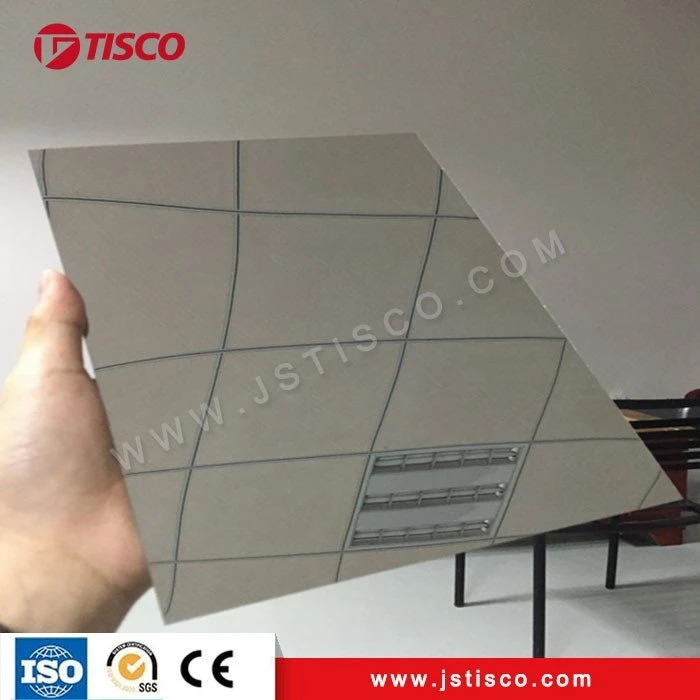

After the hot rolling process, the steel sheet is cooled and further processed to improve its surface finish and mechanical properties. This may include processes such as pickling, annealing, and tempering, which help to remove any scale or impurities from the surface of the steel and improve its strength and ductility.
Applications of Hot Rolled Steel Sheet
Hot rolled steel sheet is used in a wide range of applications across various industries. Some of the common applications of hot rolled steel sheet include:
- Construction: Hot rolled steel sheet is used in the construction industry for structural components, such as beams, columns, and roofing. It provides high strength and durability, making it suitable for use in buildings and infrastructure projects.
- Automotive: Hot rolled steel sheet is used in the automotive industry for the production of car bodies, frames, and other components. It offers excellent formability and crash resistance, making it an ideal material for automotive applications.
- Manufacturing: Hot rolled steel sheet is used in the manufacturing industry for the production of machinery, equipment, and tools. It provides high strength and wear resistance, making it suitable for use in heavy-duty applications.
- Energy: Hot rolled steel sheet is used in the energy industry for the production of pipelines, storage tanks, and other components. It offers excellent corrosion resistance and high strength, making it suitable for use in harsh environments.
Conclusion
In conclusion, the production of hot rolled steel sheet involves the use of several key raw materials, including iron ore, coal, limestone, scrap steel, and alloying elements. Each raw material plays a crucial role in the manufacturing process and contributes to the final properties of the hot rolled steel sheet.
As a supplier of hot rolled steel sheet, I am committed to providing high-quality products that meet the needs of my customers. If you are interested in purchasing hot rolled steel sheet, please feel free to [contact us] to discuss your requirements and explore how we can assist you. We look forward to working with you and providing you with the best possible solutions for your steel needs.
References
- ASM Handbook, Volume 1: Properties and Selection: Irons, Steels, and High-Performance Alloys.
- The Making, Shaping and Treating of Steel, 11th Edition.
- Steel: Technology and Applications, 3rd Edition.