


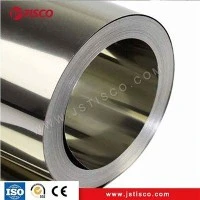


Hey there! As a supplier of stainless steel bars, I've seen firsthand the many benefits these products offer. They're durable, corrosion-resistant, and have a sleek appearance, making them a popular choice in various industries. But like any material, stainless steel bars aren't without their drawbacks. In this blog post, I'll share some of the disadvantages of stainless steel bars that you should be aware of.
High Initial Cost
One of the most significant disadvantages of stainless steel bars is their high initial cost. Compared to other types of steel or metals, stainless steel is more expensive to produce. This is because it contains a higher percentage of alloying elements, such as chromium and nickel, which give it its corrosion-resistant properties. The cost of these alloying elements, combined with the complex manufacturing process, makes stainless steel bars pricier than their counterparts.
For small-scale projects or budget-conscious customers, this can be a major deterrent. However, it's important to consider the long-term benefits of stainless steel. Its durability and resistance to corrosion mean that it can last much longer than other materials, reducing the need for frequent replacements. In the long run, the initial investment in stainless steel bars can pay off in terms of lower maintenance and replacement costs.
Difficult to Fabricate
Stainless steel is a tough and hard material, which can make it difficult to fabricate. Cutting, bending, and welding stainless steel bars require specialized equipment and skilled labor. The high strength of stainless steel can cause tools to wear out quickly, increasing the cost of fabrication.
For example, when cutting stainless steel bars, you need to use high-speed cutting tools with carbide tips. These tools are more expensive than regular cutting tools and need to be replaced more frequently. Bending stainless steel bars also requires special equipment, such as hydraulic presses or rollers, to ensure that the bars are bent to the correct shape without cracking or breaking.
Welding stainless steel is another challenge. The high heat generated during welding can cause the stainless steel to lose its corrosion-resistant properties if not done correctly. Welders need to use special techniques and filler materials to ensure that the welds are strong and corrosion-resistant.
Susceptible to Galvanic Corrosion
Although stainless steel is known for its corrosion resistance, it is still susceptible to galvanic corrosion. Galvanic corrosion occurs when two different metals are in contact with each other in the presence of an electrolyte, such as water or salt. The more reactive metal will corrode faster than the less reactive metal.
For example, if a stainless steel bar is in contact with a carbon steel component in a wet environment, the carbon steel will corrode faster than the stainless steel. This can lead to the deterioration of the carbon steel component and eventually affect the performance of the entire structure.
To prevent galvanic corrosion, it's important to ensure that stainless steel bars are not in direct contact with other metals. If contact is unavoidable, a non-conductive material, such as rubber or plastic, can be used to separate the two metals.
Poor Thermal Conductivity
Stainless steel has poor thermal conductivity compared to other metals, such as copper or aluminum. This means that it takes longer for stainless steel bars to heat up or cool down. In applications where heat transfer is important, such as in heat exchangers or cooking utensils, this can be a disadvantage.
For example, in a heat exchanger, a material with high thermal conductivity is preferred to transfer heat efficiently. Stainless steel's poor thermal conductivity can reduce the efficiency of the heat exchanger, leading to higher energy consumption and lower performance.
Surface Scratching
Stainless steel bars are prone to surface scratching, especially during handling and installation. Scratches can not only affect the appearance of the bars but also reduce their corrosion resistance. When the protective oxide layer on the surface of the stainless steel is scratched, it can expose the underlying metal to the environment, increasing the risk of corrosion.
To prevent surface scratching, it's important to handle stainless steel bars with care. Use protective covers or padding during transportation and installation to avoid direct contact with sharp objects. If scratches do occur, they can be repaired using specialized polishing or buffing techniques.
Limited Availability of Certain Grades
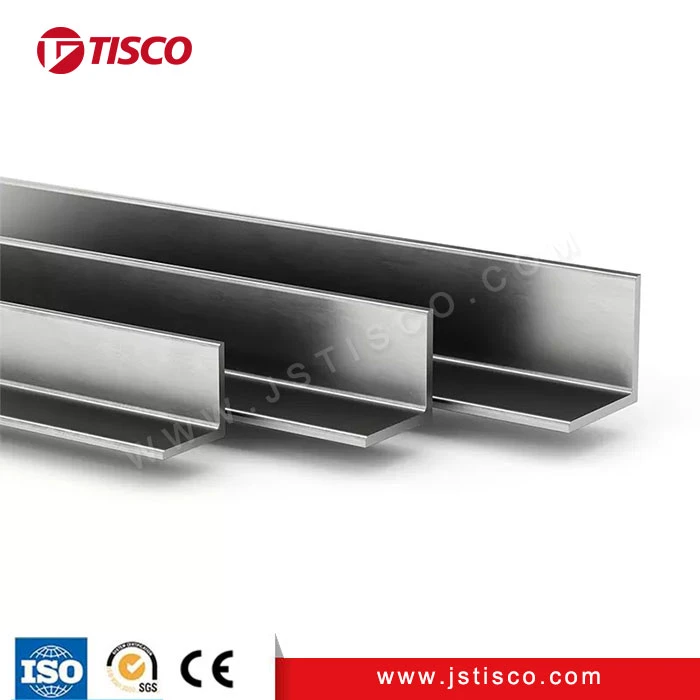
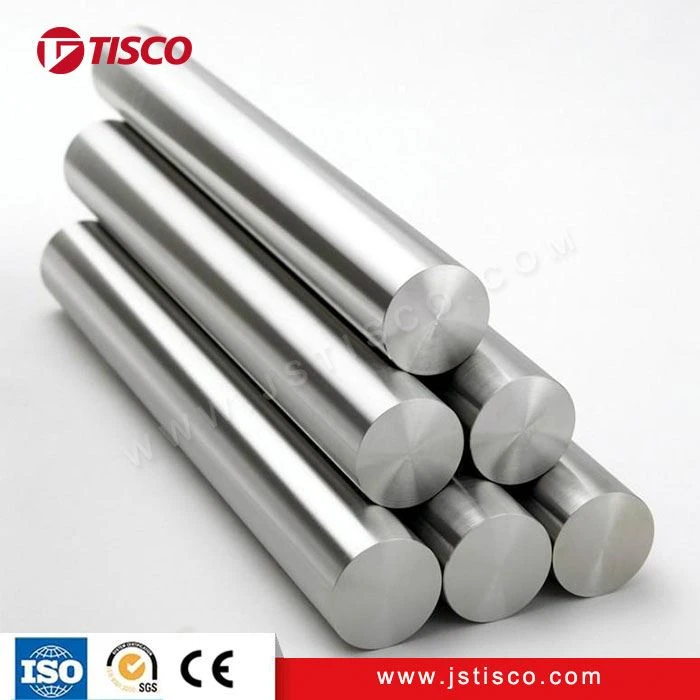
Not all grades of stainless steel bars are readily available in the market. Some specialized grades, such as Stainless Steel 409 Round Bar, 302 Stainless Steel Angle Bar, or Stainless steel 304 Square Bar, may have limited availability or longer lead times.
This can be a problem for customers who need a specific grade of stainless steel bar for their project. It's important to plan ahead and order the required bars well in advance to avoid delays.
Conclusion
Despite these disadvantages, stainless steel bars still offer many advantages, such as durability, corrosion resistance, and aesthetic appeal. When considering using stainless steel bars for your project, it's important to weigh the pros and cons carefully. If the benefits outweigh the drawbacks, stainless steel bars can be a great choice.
If you're interested in purchasing stainless steel bars for your project, I'd be happy to help. We offer a wide range of stainless steel bars in different grades, sizes, and shapes to meet your specific needs. Contact us to discuss your requirements and get a quote.
References
- "Stainless Steel: Properties, Processing, and Applications" by George E. Totten and D. Scott MacKenzie
- "Corrosion Resistance of Stainless Steels" by R. Winston Revie